2026 Legislative Budget Priorities & the AL Rental Market
What the 2026 Alabama Legislative Session Could Mean for the Rental Market in Mobile & Baldwin Counties
The 2026 regular session of the Alabama Legislature kicked off in January, setting the state up for a busy year of policymaking — and even though controversial legislation may be limited due to the election cycle, several key issues could influence the rental market throughout Mobile and Baldwin Counties in 2026.
One of the most important takeaways from the session preview is that lawmakers are expected to focus heavily on budget priorities, including the General Fund and the Education Trust Fund (ETF). Both funds are in relatively stable condition for the coming year, though long-term pressures — such as the phase-out of federal COVID relief dollars, inflation, and shifting interest-rate trends — could tighten future budgets.
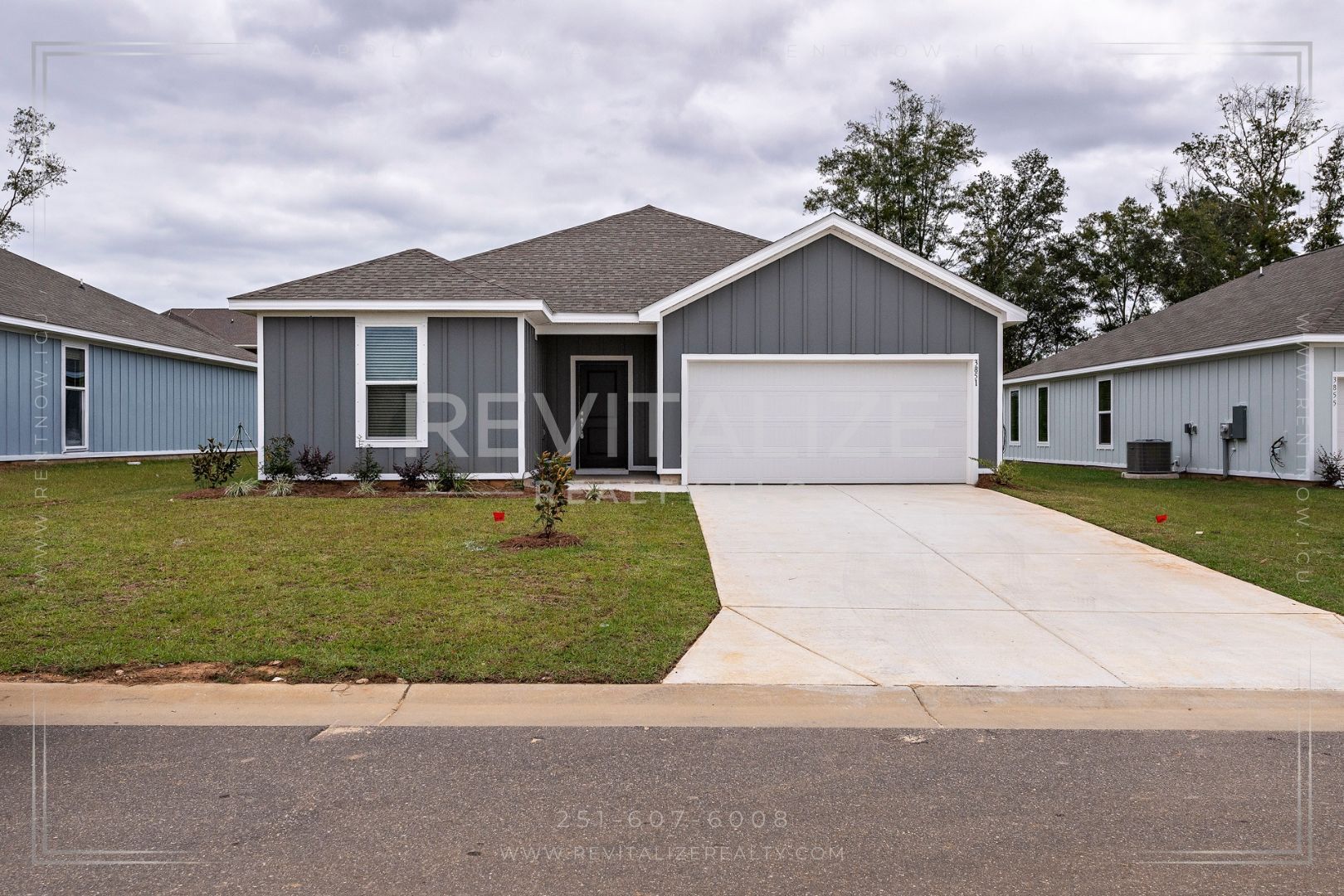
So what does that mean for the rental market here on the Gulf Coast? First, a stable state budget means that public services and infrastructure investments are less likely to face drastic cuts, which can help maintain local quality-of-life factors that attract tenants. Mobile and Baldwin Counties continue to be growth markets for rental housing due to population influxes, military bases, tourism, and job opportunities tied to logistics and healthcare. Maintaining state funding stability supports these trends.
Another legislative focus is rural development, as lawmakers are likely to consider the Rural Roadmap Initiative — a package of infrastructure, workforce development, and community quality-of-life measures. Successful rural development can have a ripple effect even in more urbanized areas: improved transportation networks and regional economic growth often stimulate housing demand, which supports stronger rental markets in surrounding communities. Improvements in infrastructure can also raise property values over time, benefiting landlords and investors in adjacent regions.
While housing-specific bills were not highlighted early in the session preview, the climate lawmakers create through budget and economic policy still matters for rentals. For example, if the state expands workforce training or business growth incentives, we may see increased job creation in the region, which historically boosts demand for rental units as more residents seek housing close to work.
It’s also worth noting that legislation affecting local government funding — such as tax or revenue reforms under discussion in some policy circles — could impact municipal services or fees that landlords and property managers must navigate. Any changes to property tax structures, licensing fees, or regulatory burdens could alter operating costs for rental property owners.
Overall, the 2026 session appears poised to support economic stability and measured growth, both of which are positive signals for the rental markets in Mobile and Baldwin Counties. While no sweeping housing reforms are on the agenda, broad fiscal health and infrastructure initiatives can indirectly influence rental demand and investment confidence throughout the year.