Renovating a Rental? Read This Before You Spend a Dollar
Why Smart Property Management Starts Before the Repairs Begin
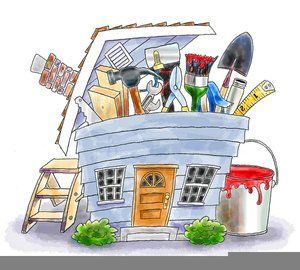
When a homeowner decides to prepare a rental for the market, the instinct is often to call a contractor first. While contractors play an important role, this approach frequently leads to overspending, unnecessary upgrades, and missed income potential. In reality, the most strategic first call should be to a property management professional.
Property management isn’t just about collecting rent and handling maintenance—it’s about positioning a home to perform well in its specific rental market. A property manager evaluates a property through the lens of return on investment, tenant demand, and long-term durability, not just construction quality.
One of the biggest advantages of involving property management early is avoiding over-improvement. Many homeowners assume that higher-end finishes automatically mean higher rent, but that’s rarely true. In many markets, tenants won’t pay a premium for luxury upgrades that exceed neighborhood expectations. A property manager understands where that ceiling is and can guide owners toward upgrades that actually increase rent, reduce vacancy, or shorten lease-up time.
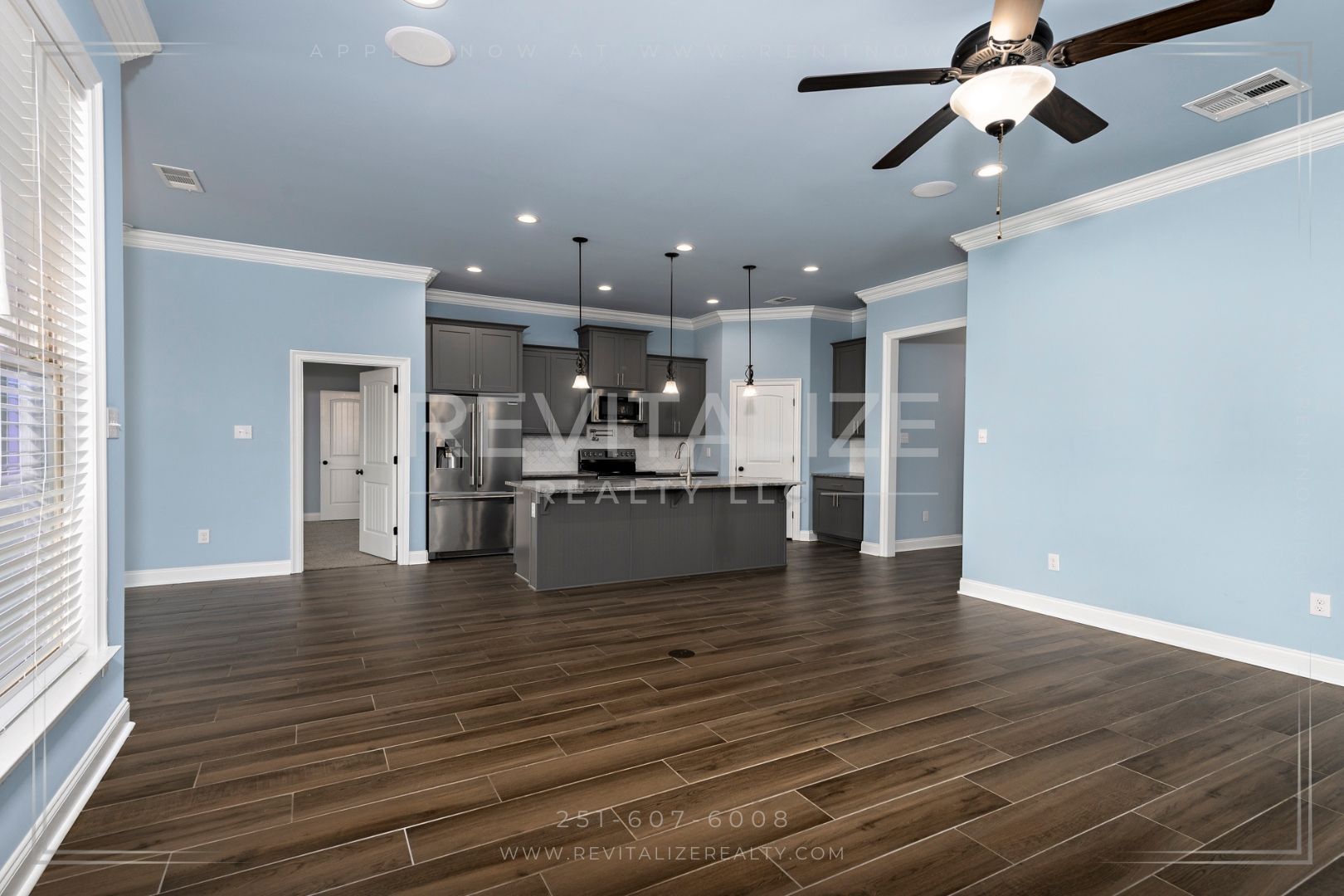
Property management professionals also have direct insight into what renters value most. After showing hundreds of homes and receiving consistent tenant feedback, they know which features drive demand—updated kitchens, consistent flooring, good lighting, functional layouts—and which features simply inflate renovation budgets without increasing rent. Contractors build what’s requested; property managers know what performs.
Compliance is another critical factor. From local safety requirements to insurance standards and housing authority inspections, property management ensures a home is rent-ready in ways that prevent costly delays. A home that looks great but fails inspection can sit vacant for weeks, costing far more than the price of proper guidance upfront.
Additionally, property management brings structure to the renovation process. Instead of a vague “fix everything” approach, managers create a rent-focused scope of work. This allows contractors to bid accurately, keeps timelines realistic, and prevents surprise costs. The result is a more efficient rehab that gets the property producing income faster.
Long-term ownership costs are also part of the equation. Property managers prioritize materials and upgrades that hold up over time, reducing maintenance calls and turnover expenses. Durable flooring, neutral finishes, and easy-to-maintain fixtures protect cash flow year after year.
Ultimately, property management aligns every decision with one question: Will this improve the performance of the rental? That perspective protects owners from emotional or cosmetic choices that don’t translate into real returns.
The most successful rental properties aren’t the most expensive to renovate—they’re the most strategically prepared. By involving property management from the start, homeowners position their investment for stronger rent, faster leasing, fewer headaches, and better long-term results.