Spring Is Coming!
What to Fix Now to Avoid Emergency Repairs Later
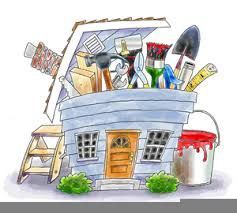
As winter fades and spring approaches, it’s tempting to focus on fresh starts, curb appeal, and warmer weather. But for homeowners and rental property owners, this seasonal shift is also the perfect time to prevent costly emergency repairs. A little proactive maintenance now can save thousands later — and help protect both your property and your cash flow.
Here are the key areas to address before small issues turn into urgent (and expensive) problems.
1. Inspect the Roof and Gutters
Winter weather can be rough on roofing materials, even in milder climates. Loose shingles, minor leaks, and clogged gutters often go unnoticed until spring storms arrive. Have your roof visually inspected and clear out gutters and downspouts to ensure proper drainage. Water intrusion is one of the most common — and costly — sources of property damage.
2. Check Plumbing and Exterior Faucets
Freezing temperatures, even brief ones, can stress plumbing systems. Now is the time to check for slow leaks, dripping faucets, or signs of water damage under sinks and around exterior spigots. Small plumbing leaks can quietly cause mold, rot, and inflated water bills if left unchecked.
3. Service HVAC Systems Before Peak Season
Spring is the ideal time to service HVAC units before summer demand hits. A professional tune-up improves efficiency, extends system life, and helps avoid mid-July breakdowns when technicians are booked and repair costs spike. For landlords, preventative HVAC maintenance also reduces tenant complaints and emergency service calls.
4. Address Exterior Wear and Tear
Walk the property and look for cracked siding, peeling paint, loose handrails, or deteriorating caulk around windows and doors. These issues may seem cosmetic, but they can allow moisture and pests inside. Addressing them now protects the structure and preserves long-term property value.
5. Trim Trees and Landscaping
Overgrown trees and shrubs can damage roofs, fencing, and foundations — especially during spring storms. Trimming back branches and clearing debris improves drainage and reduces the risk of storm-related damage.
6. Test Safety Systems
Spring is a great reminder to test smoke detectors, carbon monoxide detectors, and replace batteries as needed. For rental properties, staying compliant with safety standards protects both tenants and owners from liability.
Preventative maintenance isn’t just about avoiding repairs — it’s about protecting your investment. Proactive care leads to fewer emergencies, lower long-term costs, happier tenants, and stronger property performance.
Whether you own one home or a growing rental portfolio, spring maintenance sets the tone for a smoother year ahead. Addressing issues now means fewer surprises later — and that’s always a smart strategy.